

Why Your Car Looks Older Than It Actually Is (And How Polishing Can Change That)
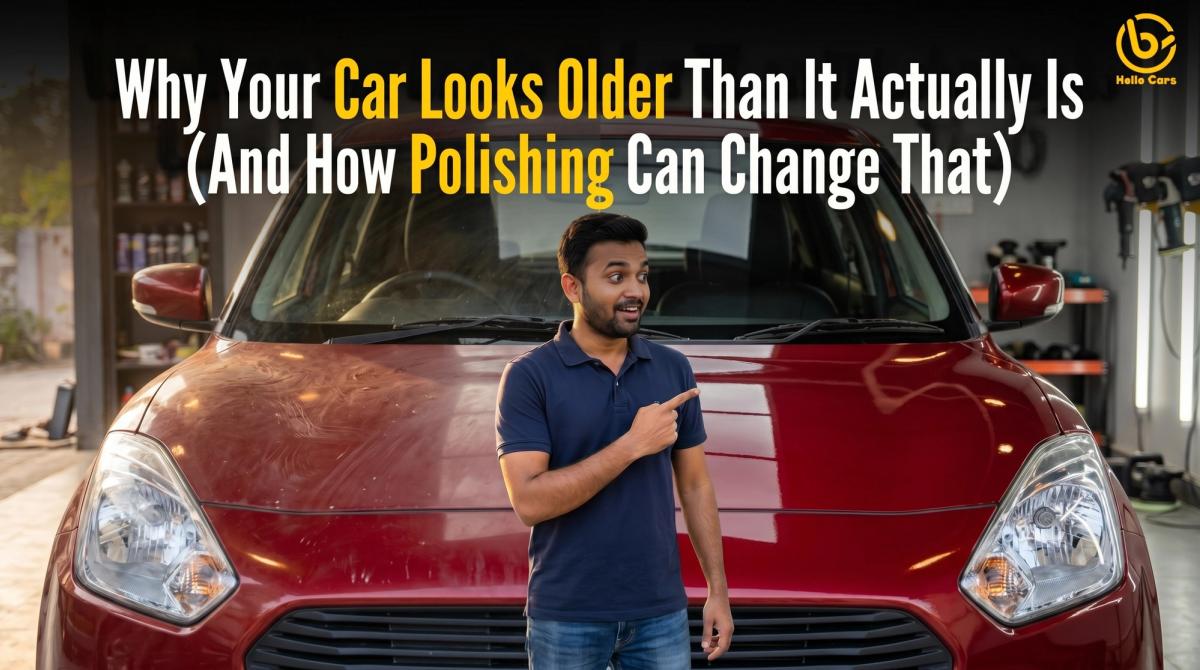
Sometimes the Problem Isn't the Age of the Car
Have you ever looked at your car and felt like it looks older than it should?
Not because it's damaged. Not because it's dirty. Just... older.
It happens to a lot of car owners. The vehicle may only be a few years old, it's serviced regularly, and it still runs perfectly. Yet somehow, it doesn't have the same presence it once did. The paint doesn't catch your attention anymore. The colour seems flatter. Even after a wash, the car doesn't have that fresh, well-maintained appearance you remember.
Most people assume this is simply what happens as a car gets older. But that's not always true.
In many cases, the car itself hasn't aged as much as the paint surface has.
The Small Changes That Slowly Add Up
Cars rarely lose their appearance overnight. The change is usually so gradual that most owners don't notice it happening.
Every day, the paint is exposed to sunlight, dust, pollution, road grime, and changing weather conditions. A car parked outside for a few hours today doesn't look any different. Neither does one exposed to dust for a week. But after months and years of this cycle, the effects start becoming visible.
The paint begins to lose some of its clarity. Reflections are not as sharp as they used to be. Dark colours are not as deep and rich as they used to be. Under the sunlight the surface shows fine marks that we did not notice before.
None of these issues are serious on their own. The problem is that they accumulate over time.
Why Washing Doesn't Bring Back the Original Look
When a car starts looking dull, most people naturally think it needs a wash.
And to be fair, washing does help. A clean car will always look better than a dirty one.
The problem is that washing only removes dirt from the surface. It doesn't fix the condition of the paint itself.
Imagine cleaning a glass window. If the glass is covered in dust, cleaning it makes a huge difference. But if the glass is scratched, cleaning won't remove those scratches. The window may be spotless, but it still won't look perfect.
Car paint works in a similar way.
A wash removes dust, mud and surface contaminants. What it doesn’t take away are the small imperfections that have developed over time. Things like swirl marks, light scratches, water spot residue and surface dullness are still there after the car is clean.
That's why some cars look spotless but still don't look impressive.
The Real Reason a Car Stops Looking Premium
One of the biggest reasons cars lose their visual appeal is because the paint stops reflecting light evenly.
When a car is new, the surface is smooth. Light reflects clearly, which creates that glossy, premium appearance people love.
As the surface develops minor imperfections, that reflection becomes distorted. Instead of seeing a sharp reflection, the paint begins to look slightly hazy. Colours lose some of their depth. The shine becomes less noticeable.
Most people describe this by saying the car looks old.
What they're actually seeing is years of minor surface imperfections affecting the way the paint reflects light.
How Polishing Makes Such a Noticeable Difference
This is where polishing comes in.
A lot of people think polishing is simply about adding shine to the car. In reality, the goal is to improve the paint surface itself.
During polishing, the surface is carefully worked on to reduce the appearance of fine scratches, swirl marks, and other imperfections that affect the finish. As these imperfections become less visible, the paint starts reflecting light more evenly again.
The result is often surprising.
The colour appears richer. Reflections become clearer. The surface looks smoother. Even the overall shape and design of the vehicle seem more defined because the paint is reflecting light properly again.
That's why people are often shocked by how different their car looks after a professional polishing session.
The car hasn't changed.
The surface has.
Why Older Cars Usually Show the Biggest Improvement
Interestingly, older vehicles often benefit the most from polishing.
Newer cars already have good paint clarity, so the improvement may be subtle. But cars that have spent years dealing with dust, sunlight, water spots, and everyday wear often have a lot of hidden potential beneath the surface.
Once those accumulated imperfections are reduced, the transformation can be dramatic.
Many owners expect a slight improvement. Instead, they end up wondering why they waited so long to get it done.
It's Not About Making the Car Look Brand New
One misconception about polishing is that it's supposed to make a car look like it just came out of the showroom.
That's not really the goal.
Polishing won't erase years of ownership. It won't remove every scratch or make an older vehicle magically become new.
What it can do is restore much of the appearance that has been hidden by everyday wear. It helps the car look cared for, well-maintained, and closer to its true condition.
And for many owners, that's exactly what they're looking for.
Final Thoughts
When a car starts looking older than it should, age is often blamed first.
But in reality, what people notice most isn't the age of the vehicle. It's the condition of the paint.
Over time, sunlight, dust, water spots, and daily use slowly affect the surface. The changes happen so gradually that they're easy to ignore until one day the car simply doesn't look the way it used to.
That's why polishing can make such a noticeable difference. It isn't about covering up problems or creating artificial shine. It's about restoring clarity to a surface that has spent years facing the elements.
Sometimes the reason a car looks old isn't because it is old.
It's because the paint has forgotten how to shine.