

Which Car Stains Are More Dangerous for Your Car?
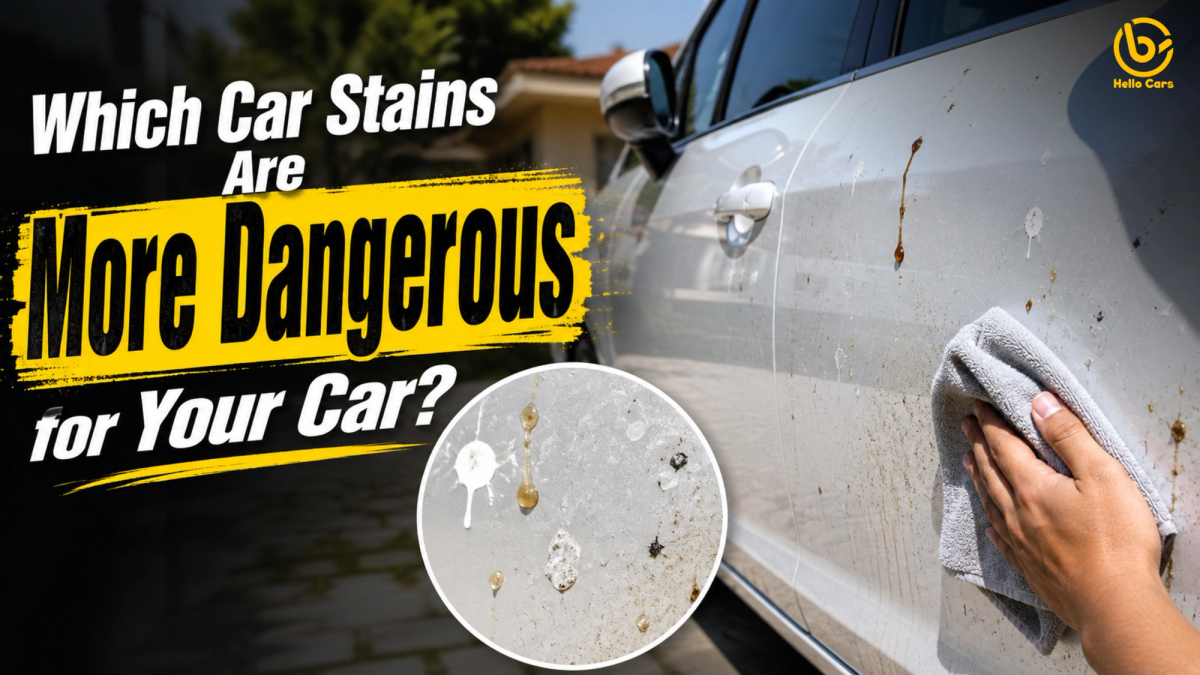
Not every stain on your car is just a cosmetic problem. Some marks can be removed easily with a normal wash, while others can slowly affect the paint if they remain on the surface for too long.
Bird droppings, tree sap, hard water spots, road tar and insect remains are some of the common stains car owners deal with. But which ones actually deserve your attention first?
The answer depends on what caused the stain, how long it has been sitting on the paint and the conditions your car is exposed to.
Bird Droppings Can Be Particularly Harmful
Bird droppings are among the stains you should remove as soon as possible. They can contain acidic compounds and other substances that may affect the clear coat when left on the paint.
The problem can become worse when the car is parked under direct sunlight. As the paint gets hot, the droppings can dry and bond more strongly to the surface.
Trying to scrape off dried bird droppings can also create fine scratches. It is better to soften the area with water or a suitable car-cleaning product and gently remove it.
Tree Sap Can Become Difficult to Remove
If you regularly park under trees, you may have noticed sticky spots appearing on your car.
Fresh tree sap can often be removed relatively easily, but dried sap becomes harder and more stubborn. Leaving it on the paint for a long time, especially under strong sunlight, can make removal more difficult and may affect the finish.
Do not try to remove hardened sap by aggressively rubbing the surface. Softening the affected area first is much safer for the paint.
Hard Water Spots May Not Look Serious at First
Hard water marks are another common problem, particularly after washing a car with water containing a high amount of dissolved minerals.
When the water evaporates, minerals can remain behind as white or cloudy spots. Repeated exposure can make these deposits increasingly difficult to remove.
If the marks are only sitting on the surface, proper cleaning may be enough. But stubborn mineral deposits may require specialised treatment or polishing depending on their condition.
Insect Remains Should Not Be Ignored
Bug splashes are especially common on the front bumper, bonnet and mirrors after highway driving.
The remains can contain biological material that becomes harder to remove as it dries. Leaving them on the paint for extended periods can increase the chance of staining or etching.
This is why cleaning the front of the car after a long trip is more than just about making it look clean.
Road Tar and Grease Need the Right Cleaning Method
Small black spots around the lower doors, wheel arches and bumpers can sometimes be road tar or oily road contaminants.
These substances may not come off easily with a normal wash. Scrubbing harder is not necessarily the solution because aggressive rubbing can introduce scratches into the paint.
A suitable automotive-safe cleaner designed for the particular contamination is usually a better approach.
So, Which Stains Should You Worry About First?
There isn't one universal ranking because the severity depends on the type of stain, how long it has been there and the condition of the paint.
However, bird droppings, tree sap and dried insect remains deserve quick attention, while hard water deposits and road tar can become increasingly difficult to remove when they are allowed to build up.
The important point is not to leave any unknown stain on the paint for weeks simply because it looks harmless.
What Should You Do When You Notice a Stain?
Start with the least aggressive cleaning method. Use clean water and a proper car-washing product rather than immediately reaching for a rough cloth or household chemical.
Never scrape a dried stain with a sharp object. Also avoid using dishwashing liquid, strong household cleaners or abrasive materials on your car's paint.
If the stain remains after proper washing, it may need a more specific treatment. In some cases, polishing may help improve the appearance of stains or surface marks, but polishing is not the right solution for every type of contamination.
How Regular Car Washing Helps
Regular washing does not make your car completely immune to stains, but it helps prevent contaminants from sitting on the paint for long periods.
This is particularly useful if your car is regularly parked outdoors, driven through traffic or exposed to trees, birds, construction dust and highway insects.
For stubborn contamination, professional car wash and detailing can help identify what is actually sitting on the paint before using a more aggressive treatment.
Frequently Asked Questions
Which stain is worst for car paint?
Bird droppings, tree sap and dried insect remains can become problematic when left on the paint for extended periods, particularly in hot and sunny conditions.
Can car stains permanently damage paint?
Some contaminants can cause staining or etching if they remain on the surface for a long time. Whether the damage is permanent depends on how deep it has affected the paint and clear coat.
Can I remove stains by rubbing them hard?
It is better not to. Aggressive rubbing can create scratches, especially when the contaminant contains dirt or grit.
Does polishing remove stains?
Polishing can improve or remove some surface-level marks and paint imperfections, but it cannot fix every type of stain or deeper paint damage. The surface should be inspected before deciding whether polishing is appropriate.
Final Thoughts
A stain on your car may look like a small cosmetic issue, but leaving certain contaminants on the paint for too long can make them much harder to remove.
The best approach is simple: don't wait for a stain to become permanent before dealing with it. Clean contaminants gently, use products designed for automotive paint and get stubborn marks assessed instead of repeatedly scrubbing them.
Regular washing and proper paint care can go a long way toward keeping your car looking clean and protecting its finish.