

What Is Car Clear Coat? (And Why That Glossy Shine Isn't Actually Paint)
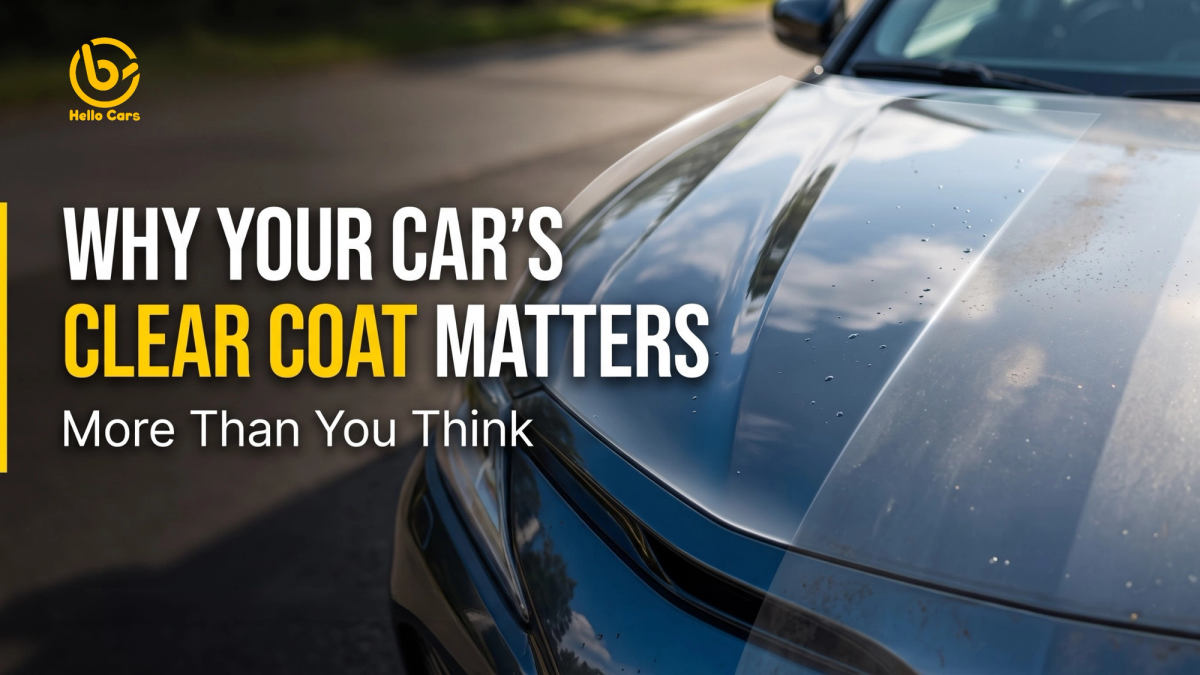
Why Your Car's Clear Coat Matters More Than You Think
When people admire a car, they almost always compliment the paint.
"The paint looks brand new." "The colour really stands out." "That finish is so glossy."
The truth is that the deep gloss you see does not come directly from the coloured paint. It comes from a transparent layer resting right on top of it.
This layer is called the clear coat, and it is one of the most critical parts of your car's exterior. You rarely notice it while it is healthy, but the moment it wears down, your car loses its deep, mirror-like finish. Understanding how your clear coat works will help you protect your car and prevent expensive repainting jobs.
What Is a Clear Coat?
Modern cars do not rely on a single layer of paint.
The coloured base coat gives the car its pigment, but carmakers never leave this layer exposed to open air. Instead, they spray a clear, protective resin over the colour: the clear coat.
Think of it as a transparent shield. It does not alter the color of the car, but it seals the pigment underneath and provides a level surface that reflects light evenly. Without a healthy clear coat, even the best factory paint turns dull in a matter of months.
Why Is the Clear Coat So Important?
Every time you drive, your car runs into environmental hazards.
Intense sunlight, road salt, industrial fallout, bird droppings, tree sap, acid rain, and gritty dirt constantly assault the surface.
The clear coat takes the blunt force of all these elements. Instead of damaging the actual color, contaminants sit on top of the clear barrier. This layer stops UV rays from fading the pigment and prevents rust from reaching the body panels. When you maintain your car's finish, you are not just cleaning the paint; you are keeping this protective shield alive.
What Happens When the Clear Coat Starts Wearing Out?
Clear coat degradation happens slowly.
At first, you simply lose that sharp reflection. The paint looks flat even after a thorough wash. Over time, fine swirl marks and light scratches appear across the panels under direct sunlight.
If you leave the surface untreated, the damage accelerates. The clear coat begins to oxidize, turning milky and cloudy before it eventually cracks, flakes, or peels away entirely.
Once the clear coat begins to peel, you cannot buff or polish it back to health. The protective layer is physically gone, and the only real fix is to strip and repaint the affected panel.
Can Washing Damage the Clear Coat?
Washing your car is necessary, but poor washing technique is the number one cause of paint damage.
Using household dish soaps, dirty wash sponges, or dry towels drags gritty road dust directly across the clear coat. While these micro-scratches rarely reach the base color, they score thousands of tiny grooves into the clear layer.
These micro-scratches scatter light in different directions instead of bouncing it straight back to your eyes, leaving the paint looking faded and dull. Using clean microfiber towels, the two-bucket wash method, and dedicated car soaps will prevent this premature wear.
How Does Polishing Help?
Many drivers think polishing adds a layer of shine to the paint.
In reality, polishing removes microscopic defects from the clear coat itself. A quality polish uses ultra-fine abrasives to level down the high edges of light scratches. Once the surface is flat and smooth again, light reflects uniformly, bringing back that deep showroom gloss.
This is why paint correction can make an older car look brand new without spraying fresh paint. However, you should only polish when the car truly needs defect removal, as every heavy compounding pass shaves down a tiny fraction of the clear layer.
Can the Clear Coat Be Protected?
A factory clear coat is durable, but simple maintenance habits will extend its lifespan significantly:
- Wash regularly: Do not let road film and dirt bake onto panels for weeks at a time.
- Remove spots immediately: Clean off bird droppings, bug splatter, and tree sap as soon as you spot them before their acids etch into the coat.
- Park out of the sun: Keeping your car in a garage, under a carport, or in the shade reduces ultraviolet breakdown.
- Apply a sacrificial barrier: Lay down a quality wax, paint sealant, or ceramic coating over the clear coat. These products absorb the daily friction so your clear coat does not have to.
Signs Your Clear Coat May Need Attention
You can spot clear coat trouble early without any special tools:
- The paint looks flat or hazy right after a wash.
- Spiderweb-like swirl marks appear when sunlight hits the panels.
- Water sits flat on the hood instead of beading up and rolling off.
- The panels feel gritty or rough to the touch after washing.
- You see white, cloudy, or peeling patches on horizontal surfaces like the roof and hood.
Catching these signs early means you can still restore the gloss with a light polish and sealant before the clear coat fails completely.
Frequently Asked Questions
Is the clear coat the same as paint?
No. The base paint provides the actual color, while the clear coat is the transparent, durable resin applied on top to seal and protect it.
Can polishing remove the clear coat?
Aggressive, repeated machine compounding can eventually wear through the clear layer. When done properly by a skilled detailer, polishing removes only an imperceptible fraction of the coat to smooth out scratches safely.
Can a damaged clear coat be repaired?
Light surface scratches, water spots, and swirl marks can be polished out. If the clear coat is actively flaking, peeling, or cracking, the panel must be sanded down and repainted.
How can I make my clear coat last longer?
Wash the vehicle with clean microfiber mitts, remove acidic bird droppings quickly, avoid abrasive automatic brush car washes, and apply a sealant or ceramic coating twice a year.
Final Thoughts
The paint colour might be what catches your eye, but the clear coat is what keeps that colour looking sharp.
It takes the daily punishment of weather, road grime, and sun exposure so the metal and pigment underneath stay protected. A few good washing habits and occasional paint protection will keep that clear layer intact, saving you money and keeping your car looking fresh for years to come.
The next time you see a vehicle with a flawless, mirror-like finish, remember that you are looking at a well-maintained clear coat doing its job.