

Is a Car Cover Really Necessary? Benefits, Risks and When to Use One
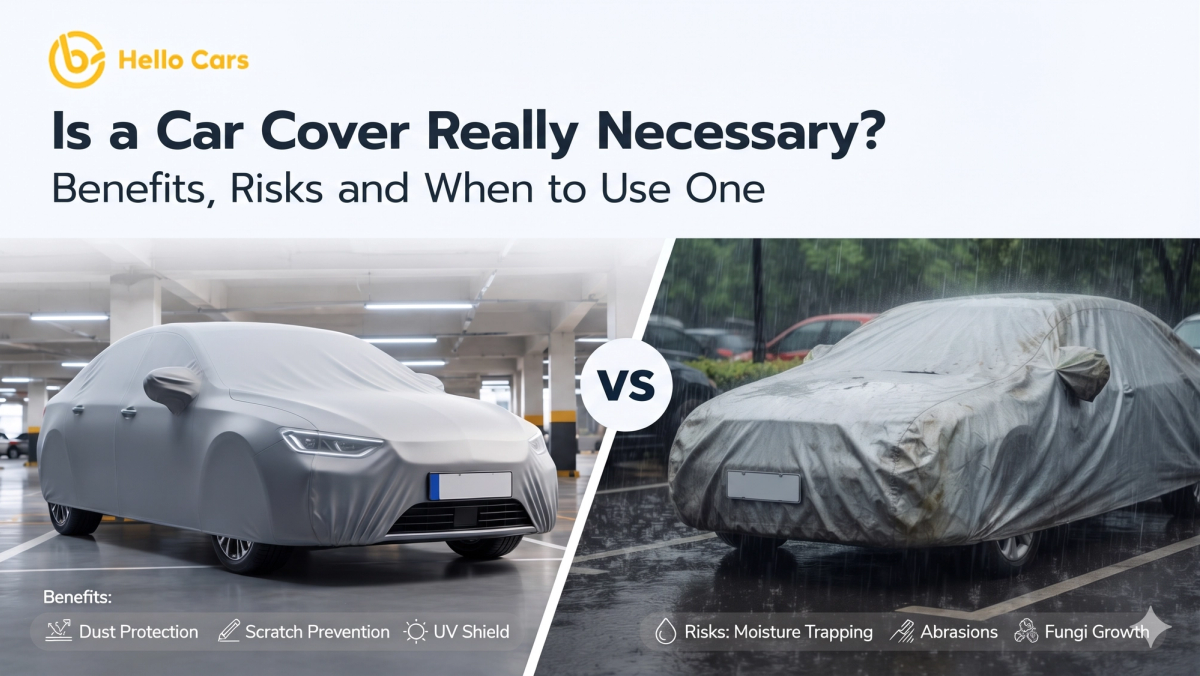
Many car owners buy a car cover to protect their vehicle from dust, sunlight, rain and bird droppings. It seems like a simple way to keep the paint clean, especially when the car is parked outdoors for long periods.
But is a car cover really necessary? Can it protect your car's paint, or can it actually cause scratches if you use it incorrectly?
The answer depends on where you park, how often you drive and the type of cover you use. A good-quality car cover can protect against certain environmental contaminants, but a poorly fitted or incorrectly used cover can do more harm than good.
Let's look at when a car cover is useful, when you can avoid using one and how to protect your car's exterior without creating new problems.
Why Do People Use Car Covers?
A car's paint is exposed to several environmental factors every day. Dust settles on the body, bird droppings can leave stubborn marks, tree sap can stick to the surface, and strong sunlight can gradually affect the paint and interior.
A car cover creates a physical barrier between the vehicle and some of these elements. This can be particularly useful when you park under trees, leave your car outside overnight or do not use it for several days.
However, a cover does not provide complete protection from every environmental factor. Rainwater, moisture and airborne dust may still reach the vehicle depending on the cover's design and how it is fitted.
A cover is best treated as one part of car care, not a replacement for regular cleaning and maintenance.
When Is a Car Cover Really Necessary?
1. When You Park Outdoors Every Day
If your car is parked outside without a roof or sheltered parking space, a suitable car cover can be useful.
Outdoor parking exposes the vehicle to dust, bird droppings, falling leaves and other contaminants. A cover can reduce direct contact with these materials, meaning the car may need less frequent exterior cleaning.
However, choose a cover designed for outdoor use. It should fit properly, withstand the local weather and allow moisture to escape according to the manufacturer's specifications.
If you use your car several times a day, constantly removing and replacing the cover may become inconvenient. In that situation, a covered parking space may be a more practical long-term solution.
2. When Your Car Is Parked Under Trees
Parking under a tree may provide shade, but it also creates a few problems for your car's paint.
Bird droppings, tree sap, fallen leaves and other debris can settle on the surface. If bird droppings or sticky tree sap remain on the paint for too long, they can damage the finish or leave marks that are difficult to remove.
A properly fitted cover can reduce direct exposure to these contaminants. However, it is important to keep the cover itself clean. If leaves, grit or other debris become trapped between the fabric and the car, movement caused by wind can rub them against the paint.
Whenever possible, parking away from trees is the simpler option.
3. When You Leave Your Car Unused for Several Days
A car that remains parked for days or weeks can accumulate dust and environmental contaminants, particularly outdoors.
In this situation, a cover can help keep the vehicle cleaner between uses. It may be especially useful for a second car, a seasonal vehicle or one that is driven only occasionally.
Before covering the car, make sure the exterior is clean and dry. Covering a dusty vehicle and then leaving it untouched for a long time can allow trapped dirt to rub against the paint whenever the cover moves.
If you use the car regularly, you may find that removing, storing and replacing the cover takes more effort than simply washing the vehicle when necessary.
Can a Car Cover Protect Your Car From Sunlight and Heat?
A suitable cover can reduce direct sunlight reaching the car's exterior, and some covers are specifically designed to reflect sunlight or provide UV protection.
This can be helpful when a vehicle is parked outdoors for extended periods. Prolonged exposure to sunlight can contribute to paint deterioration and fading over time, depending on the paint condition, exposure and maintenance.
A cover may also reduce direct sunlight entering through the windows, which can help limit heat buildup inside the vehicle. The amount of protection depends on the cover's material, colour, fit and design.
However, a car cover will not keep the cabin cool in the same way as shaded or enclosed parking. The car can still become hot, and the cover itself may heat up in direct sunlight.
If possible, prioritise shaded or covered parking. A suitable car cover is an additional option when better parking is unavailable.
Can a Car Cover Scratch Your Car's Paint?
Yes, a car cover can contribute to scratches and swirl marks if it is used incorrectly. This is one of the main reasons some car owners notice paint damage even though they have been covering their vehicles.
The cover fabric itself may be soft, but the bigger problem is often the dirt trapped between the fabric and the paint.
Imagine covering your car immediately after driving through dusty roads. Fine particles remain on the bonnet, roof and doors. When wind moves the cover back and forth, those particles can rub against the surface and create fine scratches.
A poor fit can make the problem worse. A loose cover may flap against the body, while rough inner material can increase friction.
To reduce the risk:
- Wash the car before covering it whenever practical.
- Use a clean cover with a soft inner lining.
- Choose the correct size for your vehicle.
- Secure the cover according to the manufacturer's instructions.
- Remove the cover carefully instead of dragging it across the paint.
- Clean the cover regularly and let it dry fully before storing it.
A car cover is not automatically safe just because it is advertised as scratch-resistant. Proper fit, cleanliness and handling matter just as much.
Is It Safe to Cover a Wet Car?
It is generally better to let your car dry before putting a cover on it.
When moisture becomes trapped between the cover and the vehicle, it may take longer for the surfaces to dry. Depending on the weather, cover material and ventilation, prolonged dampness can encourage mould or mildew in affected areas and contribute to corrosion where existing paint damage exposes metal.
Moisture can also mix with dust and leave marks on the paint.
After washing your car or driving in heavy rain, allow the exterior to dry properly before covering it. If you must cover the vehicle outdoors, follow the cover manufacturer's instructions for wet-weather use and ventilation.
A water-resistant cover is not necessarily the same as a fully waterproof, breathable cover. Consider both water protection and moisture management when choosing one.
Which Type of Car Cover Should You Choose?
Not all car covers are designed for the same conditions. The right option depends on whether you park indoors, outdoors or in an area exposed to strong sunlight and rain.
Indoor Car Covers
Indoor covers are generally intended to protect against dust and light contact in garages or enclosed parking spaces. They may use softer materials that are gentle on clean paint.
If your car is parked in a clean, enclosed garage, a cover may be useful for long periods of storage. For everyday parking, it may not be necessary.
Outdoor Car Covers
Outdoor covers are designed to handle exposure to weather and environmental contaminants. Depending on the product, they may include UV-resistant materials, water resistance and features that help secure the cover in windy conditions.
Look for a cover made specifically for outdoor use rather than assuming any fabric cover will provide adequate protection.
Breathable and Well-Fitted Covers
A proper fit helps reduce unnecessary movement against the bodywork. Breathability also matters because trapped moisture can create problems if the vehicle stays damp.
Avoid choosing a cover based on thickness alone. A thick cover is not automatically better, and a waterproof cover is not automatically the safest choice for every climate.
Check the manufacturer's care instructions, fit guidance and intended use before buying.
Is a Car Cover Necessary for Cars Parked in a Garage?
Usually, a car cover is optional if your vehicle is parked in a clean, enclosed garage.
Indoor parking already reduces direct exposure to sunlight, rain, bird droppings and falling debris. If the garage is relatively dust-free, the additional benefit of a cover may be limited.
A cover can still be useful if the vehicle is stored for an extended period, the garage is dusty or there is a risk of accidental contact with objects.
If you choose to use one, make sure the car and cover are clean and dry. There is little benefit in covering a clean vehicle with a dusty cover that can rub against the paint.
For most daily-use cars in enclosed parking, regular cleaning and sensible maintenance may be enough.
Does a Car Cover Replace Regular Car Washing?
No. A car cover can reduce exposure to some contaminants, but it does not eliminate dirt or make washing unnecessary.
Dust can still reach the vehicle when the cover is removed. Dirt may also accumulate on the cover itself and transfer to the paint during handling. If the car is driven regularly, road grime, mud, bird droppings and other contaminants will continue to build up.
Regular washing removes these materials before they become harder to clean. It also gives you an opportunity to notice new scratches, stains or other exterior issues early.
When washing your car, use products intended for automotive paint and clean, soft washing materials. Avoid wiping dry dust away with a cloth, as this can drag abrasive particles across the surface.
For car owners in Coimbatore, regular cleaning can be especially useful when vehicles are exposed to road dust, rain and outdoor parking conditions. Hello Cars offers doorstep car wash services in Coimbatore, making it easier to maintain the exterior without travelling to a washing centre.
If your paint already has visible swirl marks or has lost some of its gloss, consider having its condition assessed before choosing a detailing treatment. Polishing may improve certain light surface imperfections, but it cannot repair every type of paint damage.
Car Cover vs Covered Parking: Which Is Better?
If both options are available, covered parking is generally the more convenient first choice for everyday use.
A roof or garage can reduce direct exposure to sunlight, rain and falling debris without requiring you to handle a cover every time you use the car. Enclosed parking can also reduce the amount of dust and moisture reaching the vehicle, depending on the environment.
A car cover is more useful when sheltered parking is unavailable or when a vehicle will remain unused for a long time.
Neither option eliminates the need for maintenance. A car parked under a roof can still collect dust and develop stains, while a covered car can still be exposed to dirt when the cover is removed.
The best approach is to use the protection available to you and maintain the vehicle according to its actual condition.
Frequently Asked Questions
1. Should I cover my car every night?
Not necessarily. If your car is parked outdoors and exposed to bird droppings, dust or falling debris, a suitable cover can help. If you have clean, enclosed parking, using a cover every night may provide little additional benefit.
2. Can a car cover damage the paint?
Yes, if dirt becomes trapped underneath, the cover rubs against the paint or the material is unsuitable. Keeping both the car and cover clean, choosing the correct fit and removing the cover carefully can reduce the risk.
3. Should I cover my car immediately after washing?
Wait until the exterior is properly dry before covering it, unless the cover manufacturer provides specific instructions for that situation. Trapped moisture can slow drying and create problems if it remains for extended periods.
4. Does a car cover prevent paint fading?
A suitable cover can reduce direct sunlight exposure and may help limit UV-related deterioration. However, the level of protection depends on the material and conditions. It cannot guarantee that the paint will never fade.
5. Is a waterproof car cover better than a breathable one?
Not automatically. Water resistance helps protect against rain, but moisture management is also important. Choose a cover designed for your parking conditions, and follow the manufacturer's guidance on ventilation and wet-weather use.
6. Can I put a car cover on a dusty car?
It is better to clean the car first. Dust and grit trapped under the cover may rub against the paint when the fabric moves, potentially causing fine scratches.
Final Thoughts
A car cover can be useful, especially if you park outdoors, leave your vehicle unused for long periods or regularly deal with bird droppings and falling debris. But it is not essential for every car owner.
The key is knowing when to use one and how to use it properly. A clean, well-fitted cover on a clean, dry car can offer useful protection. A dirty, poorly fitted cover placed over dusty paint can create problems instead.
If you have access to covered parking, make use of it. If you rely on outdoor parking, choose a suitable cover and keep it clean. Most importantly, do not treat a cover as a replacement for regular washing and proper paint care.
A little consistent maintenance can go a long way towards keeping your car clean, protecting its finish and preserving its appearance over time.