

Can You Do Rubbing and Polishing on a New Car?
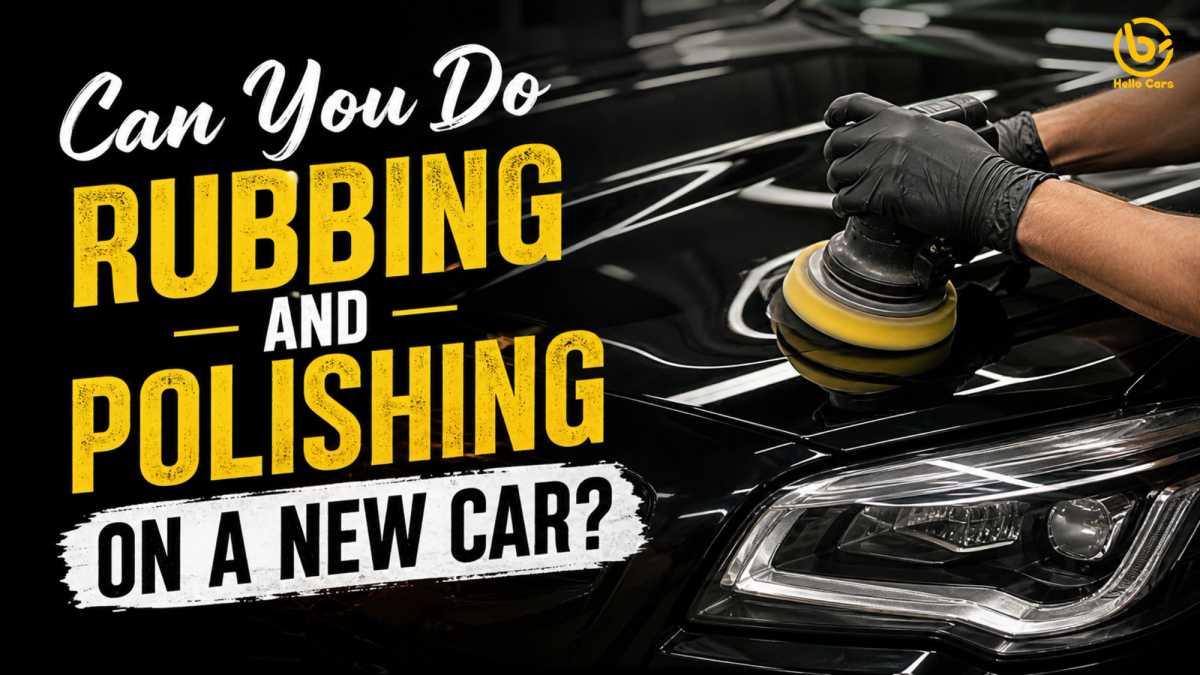
Buying a new car usually comes with that satisfying showroom shine. The paint looks deep, glossy and almost perfect under the lights. So it is natural to wonder whether you should do rubbing and polishing on a brand-new car.
The short answer is yes, rubbing and polishing can be done on a new car, but it doesn't mean every new car needs it.
In fact, unnecessary rubbing on a car that already has a good paint finish isn't something you should do simply because the car is new. The right approach depends on the condition of the paint.
What Is Rubbing and Polishing?
Rubbing and polishing are paint correction processes, but they are not exactly the same thing.
Rubbing generally uses a more abrasive compound to remove or reduce certain paint imperfections. It can help with things such as oxidation, heavier scratches and more noticeable surface defects.
Polishing is generally a finer process that focuses more on refining the surface, improving gloss and reducing finer imperfections such as light swirl marks or haze.
Both processes work on the paint surface, so they should be performed with a clear reason rather than treated as routine cleaning.
Does a New Car Actually Need Polishing?
Not necessarily.
A brand-new car doesn't automatically need polishing simply because it has come from the showroom.
If the paint is already clean, glossy and free from noticeable defects, there may be little reason to polish it immediately.
However, "new" doesn't always mean "perfect."
A vehicle can spend time at the factory, during transportation, in storage yards and at the dealership before you receive it. During this time, the paint can pick up contamination or develop minor surface imperfections.
The important thing is to inspect the paint rather than assuming it needs correction.
Can a New Car Have Swirl Marks?
Yes.
Swirl marks can appear on a new vehicle before it reaches the owner. Washing, wiping, transportation preparation and dealership cleaning can all introduce fine surface marks if the wrong techniques or equipment are used.
These marks may not be obvious under showroom lighting.
Take the same car outside into direct sunlight or inspect it under a strong light, and you may notice fine circular or spider-web-like patterns in the paint.
If these imperfections are present, a light polishing process may improve the appearance.
Is Rubbing Safe on a New Car?
Rubbing is more aggressive than polishing, so it shouldn't be performed on a new car without a reason.
Rubbing removes a small amount of material from the paint system to correct surface defects. Modern automotive paint has a finite thickness, so repeatedly using abrasive correction when it isn't needed isn't a good maintenance strategy.
If a new car has a specific defect that requires rubbing, a trained professional can assess the area and determine how much correction is appropriate.
But if the paint already looks good, there is no benefit in rubbing the entire vehicle simply because it is new.
What If the New Car Has Minor Scratches?
This is one situation where paint correction may make sense.
A new car can sometimes have light scratches or marks caused during transportation, dealership preparation or washing.
The first step should be determining how deep the scratch is.
If it is limited to the clear coat, polishing may be enough to reduce its appearance. If the damage goes deeper, polishing alone may not completely remove it.
This is why simply asking for "rubbing polish" without inspecting the paint first isn't ideal.
Will Polishing Remove the Factory Paint?
Polishing is an abrasive process, so it does remove a very small amount of the surface material when correcting imperfections.
That doesn't mean a proper polish will strip the paint from your car.
The amount removed depends on the product, pad, machine, technique and condition of the paint.
The goal of professional polishing is controlled correction, not removing as much material as possible.
This is particularly important on a new vehicle because there is no reason to unnecessarily remove healthy paint.
Should You Polish a New Car Before Applying Protection?
This depends on the condition of the paint.
If the new car already has a clean, defect-free finish, it may not need an aggressive correction before applying a protective product.
If there are light swirls, dealership wash marks or other imperfections, a suitable polishing step can improve the surface before protection is applied.
The important part is to inspect the vehicle first and choose the least aggressive process that achieves the desired result.
What About Rubbing and Polishing After Delivery?
If you have just taken delivery of your car and notice scratches, swirl marks or paint defects, don't immediately assume the entire vehicle needs rubbing.
First, document the condition of the car and speak with the dealership if the defect appears to have been present at delivery.
For a minor cosmetic issue, a professional detailer can assess whether cleaning, polishing or another treatment is appropriate.
This is particularly useful because a new car deserves a more careful approach than simply attacking every visible mark with an abrasive compound.
How Often Should You Polish a New Car?
There is no fixed schedule that says a car should be polished every three, six or twelve months.
Polishing should generally be condition-based rather than calendar-based.
If the paint looks good and doesn't have significant surface defects, there may be no reason to polish it.
Regular washing using proper techniques can help maintain the finish without repeatedly subjecting the paint to abrasive correction.
When the surface eventually develops defects that can benefit from polishing, that is when correction can be considered.
Rubbing vs Polishing on a New Car
The two shouldn't be treated as interchangeable services.
Rubbing is generally used when stronger correction is needed for more noticeable surface defects.
Polishing is generally a finer process used to refine the finish and improve gloss while addressing lighter imperfections.
For a new car, starting with the least aggressive suitable approach makes more sense than immediately choosing the strongest correction process.
Should You Get Rubbing and Polishing Done on a Brand-New Car?
If your new car has visible swirl marks, light scratches, haze or other paint imperfections, professional polishing may be worth considering.
If the vehicle has more significant surface defects, a professional can determine whether rubbing is necessary.
But if the paint is already in excellent condition, there is no need to polish or rub the entire car just because it is new.
A new car doesn't need correction for the sake of correction.
Frequently Asked Questions
Can you polish a brand-new car?
Yes. A new car can be polished if the paint has minor imperfections or needs surface refinement. However, polishing isn't automatically necessary on every new vehicle.
Is rubbing safe for a new car?
It can be when there is a genuine paint defect that requires correction and the process is performed properly. Since rubbing is abrasive, it shouldn't be done unnecessarily.
Can a new car have swirl marks?
Yes. Swirl marks can develop during transportation, dealership preparation or improper washing before the vehicle reaches the customer.
Should I polish my car immediately after buying it?
Not automatically. Inspect the paint first. If the finish is already clean and defect-free, there may be no reason to polish it immediately.
Does polishing damage car paint?
Polishing is an abrasive process and removes a small amount of surface material during correction. When performed appropriately, it can improve the finish, but unnecessary or overly aggressive polishing should be avoided.
Final Thoughts
A new car doesn't automatically need rubbing and polishing.
If the paint has swirl marks, minor scratches or other surface imperfections, polishing can help improve the finish. Rubbing may be appropriate for more significant defects when a professional determines that stronger correction is necessary.
But if your new car already has a healthy, glossy finish, the best thing you can do is maintain it properly rather than repeatedly correcting it.
When it comes to new-car paint, the goal isn't to polish as much as possible. It's to correct only what needs correcting and preserve the finish for as long as possible.