

Can Weekly Car Cleaning Reduce Rat Infestation? Here's What Every Car Owner Should Know
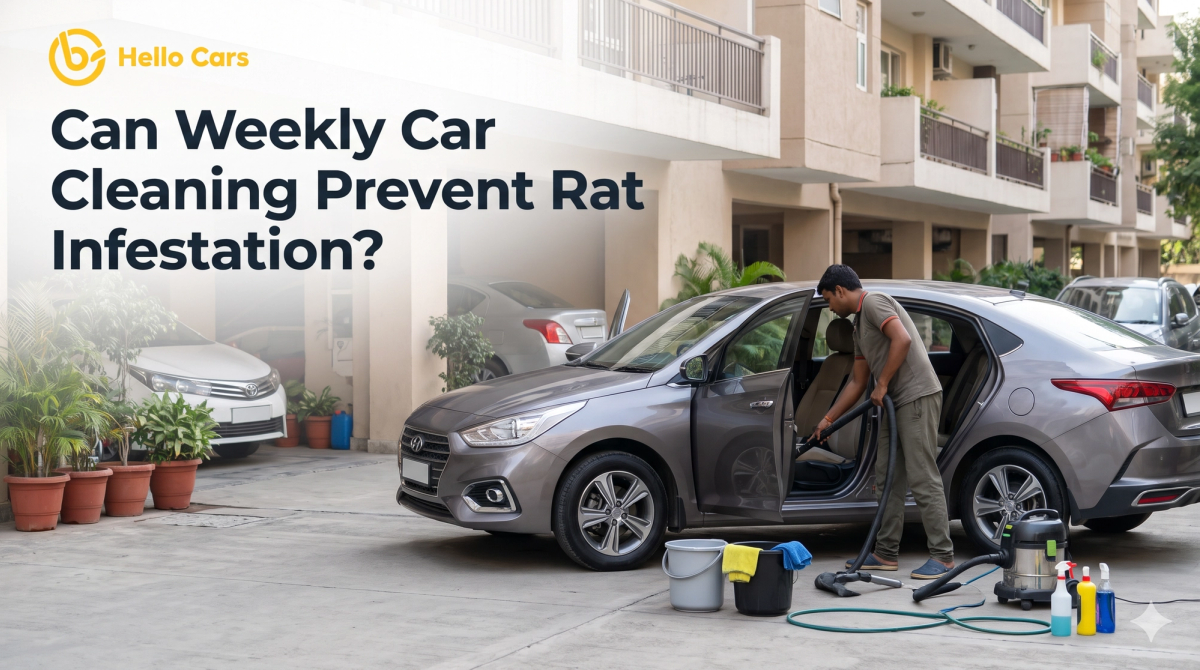
Finding rat droppings under your car's bonnet or discovering chewed wires can be a frustrating experience. Rodents entering parked cars are more than just a cleanliness issue. They can damage electrical wiring, insulation, hoses and other components, sometimes leading to expensive repairs.
Many car owners wonder whether washing their vehicles every week can help prevent rats from entering them.
The answer is partly yes. Regular car cleaning can help reduce some conditions that make a vehicle attractive to rodents, particularly food crumbs, leftover snacks and accumulated debris. However, cleaning alone cannot prevent rat infestation.
To understand how much regular cleaning helps, let's look at why rats enter cars, which areas need attention and what other precautions can reduce the risk.
Why Do Rats Enter Parked Cars?
A parked car can provide rodents with something they naturally look for: shelter.
The engine compartment contains several enclosed spaces, while areas beneath the dashboard, seats and carpets can offer places to hide. When a vehicle remains parked for long periods, it may become an undisturbed shelter for rodents.
Here are some common reasons rats may enter your car.
1. Warmth and Shelter
After driving, the engine and surrounding components remain warm for some time. During cooler conditions, this warmth may make the engine compartment an attractive place for rodents to explore.
The space beneath the bonnet can also offer protection from rain, wind and predators. However, warmth alone does not explain every rat infestation. The availability of shelter and nearby nesting areas also matters.
2. Food Crumbs Inside the Car
Leaving food packets, biscuit crumbs, snack wrappers or leftover food inside your vehicle can attract rodents.
Even small food particles trapped between seats, under floor mats or inside the boot can become a potential food source.
If you regularly eat inside your car, cleaning the cabin becomes particularly important.
3. Parking Near Garbage or Vegetation
Where you park can significantly influence the likelihood of rodent activity.
Cars parked near garbage collection points, drains, overgrown vegetation, warehouses or areas with existing rodent activity may face a greater risk.
Even a clean car can attract rodents if the surrounding parking environment provides easy access to food and nesting areas.
4. Long Periods Without Driving
Cars that remain unused for several days or weeks may receive less attention from their owners.
Rodents may explore the vehicle and find undisturbed spaces to hide or build nests. Regularly checking a parked vehicle can help you notice early signs of activity before the problem becomes more serious.
Can Weekly Car Cleaning Reduce Rat Infestation?
Yes, regular cleaning can help reduce some of the factors that attract rodents, but it is not a guaranteed prevention method.
The biggest benefit comes from removing food particles, waste and nesting materials rather than simply making the exterior look clean.
For example, washing the outside of your car every week will not necessarily prevent rats from entering the engine bay. However, regularly cleaning the cabin, removing leftover food and inspecting accessible areas can make the vehicle less inviting.
Think of weekly cleaning as one part of a larger prevention routine.
Which Areas of Your Car Should You Clean Regularly?
If you want to reduce the chances of rodents settling inside your vehicle, pay attention to these commonly overlooked areas.
1. Under the Seats and Floor Mats
Food crumbs often fall between seats and collect underneath floor mats. These areas may go unnoticed during regular cleaning.
Remove the floor mats, clean underneath them and vacuum the accessible areas around the seats. Pay particular attention to spaces where children or passengers may have dropped food.
2. Boot and Luggage Compartment
The boot can also collect food packets, paper waste, old bags and other materials.
Remove unnecessary items and clean the boot regularly. Check the spare tyre compartment if it is accessible and safe to inspect, as debris and nesting materials may accumulate there.
3. Engine Bay
The engine bay is one of the most concerning areas because rodents can chew wiring insulation, hoses and other components.
Inspect the engine compartment for leaves, nesting materials, droppings and unusual damage. Do not attempt to wash the entire engine bay with water or a pressure washer just to remove signs of rodents. Sensitive electrical components can be damaged by improper cleaning.
If you notice chewed wires, nesting material or unusual deposits, have the vehicle inspected by a qualified mechanic.
4. Around the Bonnet and Windshield
Leaves and debris can accumulate near the base of the windshield and around bonnet openings.
These areas are worth checking, especially if you park under trees. Remove loose debris where it is safely accessible, and avoid pushing it into drainage openings or areas containing wiring.
What Are the Warning Signs of Rat Infestation in Your Car?
Rats may enter a vehicle without immediately becoming noticeable. However, there are several signs you should watch for.
Rat droppings: Small droppings inside the engine bay, cabin or parking area may indicate rodent activity. Avoid touching or sweeping them while dry. Follow appropriate hygiene precautions when arranging their removal.
Chewed wires: Damaged wire insulation is a serious warning sign. Rodents can chew through wiring and potentially cause electrical failures, warning lights or starting problems.
Nesting materials: Shredded paper, leaves, fabric and other materials collected in corners or enclosed spaces may indicate that rodents are building a nest.
Unusual smells: A persistent unpleasant smell inside the cabin or engine compartment may be caused by urine, nesting material or a dead rodent.
Unexplained electrical problems: If lights, sensors or other electrical systems start behaving unusually, rodent damage is one possibility. Get the vehicle inspected instead of assuming the issue is minor.
If you suspect an active infestation, avoid reaching into enclosed spaces or handling droppings and nesting materials yourself. Contact a qualified mechanic or pest-control professional.
7 Practical Ways to Prevent Rats From Entering Your Car
Weekly cleaning helps, but combining it with a few additional habits can provide better protection.
1. Never Leave Food Inside the Car
Avoid storing snacks, leftover food, food wrappers and open packets inside your vehicle. Even if you clean the cabin regularly, forgotten food can attract rodents.
Make it a habit to remove food waste whenever you leave the car.
2. Choose Your Parking Location Carefully
Whenever possible, avoid parking close to garbage bins, open drains, dense vegetation and areas where you frequently notice rodents.
A clean, well-maintained parking space can reduce exposure to rodent activity.
3. Inspect Your Car Regularly
Check for droppings, nesting materials and visible signs of damage, particularly if your vehicle remains parked for several days.
Early detection can help prevent a small problem from turning into an expensive repair.
4. Avoid Leaving Your Car Unused for Long Periods
If you have a second car that you rarely drive, inspect it periodically. Moving and checking the vehicle regularly can help you notice signs of rodent activity sooner.
However, starting or moving the car does not guarantee that rodents will stay away.
5. Keep the Parking Area Clean
Do not allow food waste, garbage, cardboard or other potential nesting materials to accumulate around your parking space.
Rodent prevention should include the surrounding environment, not just the vehicle itself.
6. Consider Appropriate Rodent-Control Measures
If rodents are frequently found around your home or parking area, consider suitable traps or other control measures recommended by a pest-control professional.
Be cautious with chemical repellents, mothballs and homemade remedies. Some products may damage vehicle components, create health risks or simply fail to provide reliable protection.
7. Get Damaged Wiring Inspected Immediately
If you discover chewed wires or hoses, do not ignore them. Damaged wiring can cause electrical faults and, in some circumstances, create a fire risk.
Have a qualified mechanic inspect and repair the affected components before continuing to use the vehicle.
Does Regular Car Washing Alone Solve Rat Problems?
No. This is an important distinction.
A clean car can still attract rodents if it is parked in an area with high rodent activity. Rats are not attracted only to dirty vehicles. They may enter a car because it provides shelter, warmth and a relatively undisturbed place to hide.
Exterior washing removes dust, mud and other contaminants from the bodywork, but it does not automatically remove food crumbs from the cabin or nesting materials from the engine bay.
That is why a proper cleaning routine should include both exterior washing and interior cleaning, along with regular inspections.
For car owners in Coimbatore, regular cleaning can help remove accumulated road dust and keep the vehicle's interior and exterior in good condition. Hello Cars offers doorstep car wash services in Coimbatore, making routine vehicle maintenance more convenient.
Remember that a regular car wash is not a substitute for rodent inspection or pest control. If you find signs of an infestation, address the problem separately.
Frequently Asked Questions
1. Does washing my car every week prevent rats?
No. Weekly washing can help remove food residue, dirt and debris, but it cannot guarantee that rats will stay away. Rodent prevention also depends on parking location, food storage habits and the surrounding environment.
2. Why do rats chew car wires?
Rodents naturally gnaw to maintain their continuously growing teeth. Vehicle wiring insulation and other soft materials may become targets when rodents explore or nest inside cars. This behaviour is not necessarily related to whether the vehicle is clean.
3. Can rats enter a car even if it is parked in a garage?
Yes. A garage does not guarantee protection. If rodents are already present in the building or surrounding area, they may still find their way into parked vehicles.
4. Does engine bay cleaning prevent rat infestation?
Engine bay cleaning can help remove loose debris and make signs of rodent activity easier to notice. However, it does not prevent rodents from entering. Avoid excessive water or pressure washing, and have suspected nesting areas inspected professionally.
5. What should I do if I find rat droppings inside my car?
Avoid touching or sweeping the droppings while dry. Keep children and pets away, and arrange safe removal using appropriate hygiene precautions. Have the vehicle inspected for nesting materials, chewed wires and other damage.
6. Can rat damage affect my car's performance?
Yes. Rats can damage electrical wiring, hoses and insulation. Depending on the affected component, this may cause warning lights, starting problems, electrical failures or other mechanical issues.
Final Thoughts
Weekly car cleaning can help reduce some of the conditions that make your vehicle attractive to rodents, particularly food crumbs, leftover waste and accumulated debris. But it is only one part of preventing rat infestation.
Keep your cabin free of food, inspect the engine bay periodically, maintain a clean parking area and pay attention to early warning signs. If you discover chewed wires or nesting materials, get professional assistance rather than relying on cleaning alone.
A clean car is easier to maintain, but protecting it from rats requires more than just a weekly wash. A combination of regular cleaning, careful parking and timely inspection is the smarter approach.